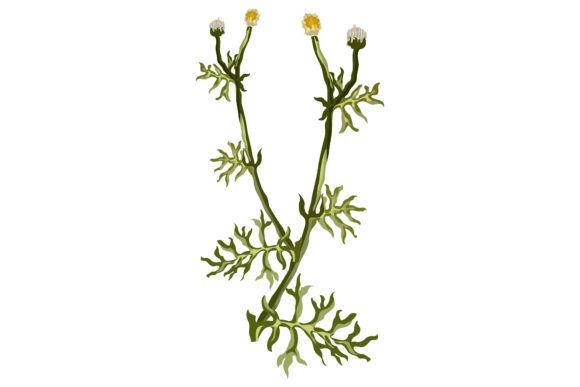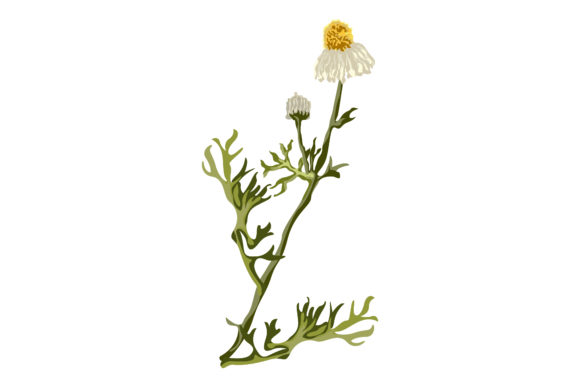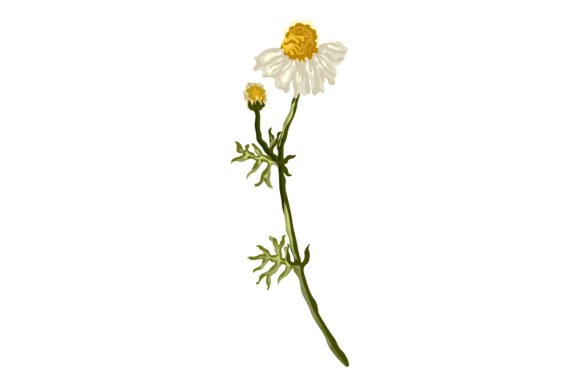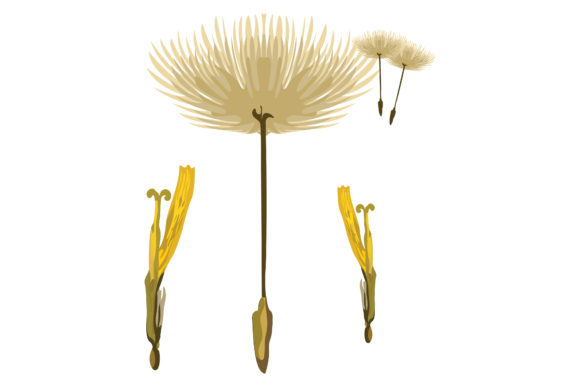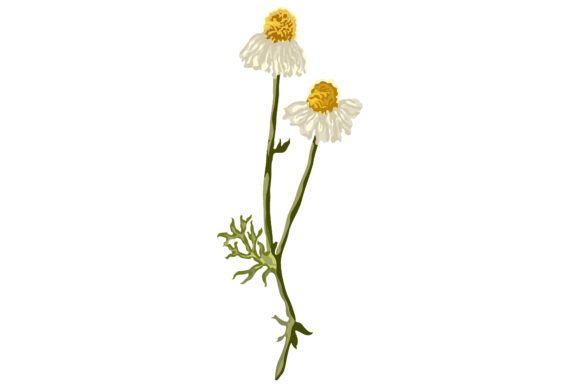
Chamomile Plant with Flowers Leaves 19 Graphics and Illustrations Review
In the world of digital publishing, the line between content and design is increasingly blurred. Readers do not just consume text; they experience a visual ecosystem. As a blog designer who has spent years refining editorial layouts for high-traffic sites, I know that the right graphic design asset can make or break reader retention. Today, I am reviewing Chamomile Plant with Flowers Leaves 19, a specific illustration that promises to bring a touch of organic elegance to digital spaces. This review focuses on how this asset fits into real-world workflows for bloggers, affiliate marketers, and content creators who need polished, trustworthy visuals.
The First Impression: Editorial Mood and Visual Identity
When you first load Chamomile Plant with Flowers Leaves 19, the immediate takeaway is one of calm sophistication. Unlike generic clip art, this illustration carries a distinct editorial weight. It feels less like a decorative afterthought and more like a deliberate choice in web design. The daisy-like structure of the chamomile, rendered with attention to botanical detail, suggests a niche that values authenticity, wellness, or lifestyle aesthetics.
The visual mood is clean yet artistic. It avoids being overly playful or childish, which makes it surprisingly versatile. For a health and wellness blogger, it signals natural ingredients and holistic living. For a creative entrepreneur selling digital products, it conveys a sense of care and craftsmanship. This is not just an image; it is a signal to the reader that the content behind it has been curated with intention. In an era where trust is paramount, this level of visual polish helps establish credibility immediately.
Integrating Chamomile Plant with Flowers Leaves 19 into Publishing Workflows
So, where does this asset actually live in your content strategy? I have tested various similar illustrations across different platforms, and Chamomile Plant with Flowers Leaves 19 shines brightest when used as a focal point in editorial layouts. Here is how it integrates into common publishing tasks:
- Blog Featured Images: Use this illustration as a background element for your article headers. It provides a soft, inviting canvas for bold typography without overwhelming the headline.
- Pinterest Pins: Pinterest is a visual search engine. A pin featuring Chamomile Plant with Flowers Leaves 19 stands out in feeds dominated by bright, chaotic colors. Its muted, natural tones encourage clicks from users seeking relaxation or beauty tips.
- Digital Guides and eBooks: If you are creating a lead magnet, such as a "Sleep Better" guide or a "Natural Skincare Routine," this illustration serves as an excellent cover image. It elevates the perceived value of the digital product.
- Newsletter Graphics: Email open rates depend heavily on subject lines and preview text, but the body of the newsletter relies on visual breaks. Inserting this graphic between sections adds rhythm and professionalism to your content marketing emails.
- Social Media Previews: When sharing articles on Instagram or Facebook, use this asset in your stories or posts to maintain brand consistency. It works particularly well for reels covers or static posts about self-care.
Boosting Content Performance Through Visual Hierarchy
One of the most critical aspects of effective web design is visual hierarchy. Readers scan pages before they read them. Chamomile Plant with Flowers Leaves 19 supports this scanning behavior by providing clear visual anchors. When placed strategically, it guides the eye toward key information.
Consider the impact on click-through potential. A website with inconsistent imagery looks amateurish. By using a cohesive set of design assets like this illustration, you create a stronger brand identity. Readers subconsciously associate that consistent, high-quality look with reliability. Furthermore, this asset improves category recognition. If you consistently use chamomile-themed graphics for your wellness category, visitors will instantly recognize that section upon returning to your site.
This is especially valuable for affiliate marketing. When you are promoting products, you want the focus to remain on the recommendation, not distracted by messy or low-resolution graphics. A clean, modern design allows the call-to-action buttons to pop, directly supporting your conversion goals.
Strategic Placement: Where It Works Best
To get the most out of Chamomile Plant with Flowers Leaves 19, you must place it where its strengths are highlighted. It excels as a hero image on landing pages, where it sets the tone for the entire user journey. It is also ideal for editorial accents, such as bullet points, section dividers, or icons next to testimonials.
For small business branding, this illustration can be adapted into a logo mark or a watermark for your printable designs. Its delicate lines hold up well when scaled down, making it suitable for favicon usage or app icons if you are expanding into mobile-first experiences. Additionally, it pairs beautifully with serif fonts for headings, reinforcing a classic, literary feel that resonates with book lovers, writers, and educators.
Cautions and Limitations in Design Application
No single asset is perfect for every scenario. There are contexts where Chamomile Plant with Flowers Leaves 19 should be used carefully. For instance, avoid placing it on busy backgrounds or over complex patterns. The subtlety of the illustration requires negative space to breathe. If the surrounding layout is cluttered, the charm of the chamomile will be lost.
Be mindful of text-heavy blog images. While the illustration is beautiful, it lacks the stark contrast needed for quick readability in dense informational graphics. It is better suited for emotional or aesthetic connection rather than data visualization. Additionally, if your brand operates in a highly corporate or technical niche, this botanical theme might clash with a rigid, minimalist visual system. In those cases, consider using it only in seasonal campaigns or lifestyle-focused sub-sections of your site.
Practical Publisher Notes for Implementation
Before adding Chamomile Plant with Flowers Leaves 19 to your production pipeline, there are several technical checks you must perform. First, test the asset on both desktop and mobile screens. Mobile traffic often dominates, so ensure the illustration does not become pixelated or too large on smaller viewports.
Check the contrast and readability. Place sample headline text over the illustration to ensure legibility. You may need to add a subtle overlay or shadow to the text layer. It is also wise to preview the image in black and white; if the composition holds up without color, it is structurally sound. Test pairing it with different font styles—serif, sans serif, script, handwritten, and display—to see which combination aligns best with your voice.
File size is another crucial factor. Large images slow down page load times, which negatively impacts SEO and user experience. Compress images properly before uploading. Finally, confirm your commercial license. Ensure you have the right to use this creative design on monetized websites, affiliate pages, and paid content products. Using unlicensed assets can lead to legal issues and damage your reputation as a serious publisher.
In conclusion, Chamomile Plant with Flowers Leaves 19 is a sophisticated addition to any designer’s toolkit. It bridges the gap between artistic expression and functional web design, offering a way to enhance reader trust and engagement through thoughtful visual communication. Whether you are building a new blog or refreshing an existing site, this illustration offers a refined path to better content presentation.