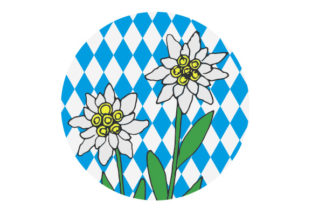
Edelweiss Flower: A Designer's Real-World Embroidery Review
When I first opened the Edelweiss Flower file, my immediate reaction was one of quiet appreciation for its clean lines and classic silhouette. As someone who has spent years evaluating digital assets for both personal hobby projects and commercial client work, I know that a design's true value isn't just in how it looks on a screen, but how it behaves under the needle. This piece, rooted in the imagery of the Alps and Bavarian mountains, carries a specific mood that is distinct from generic floral patterns. It feels crisp, slightly rustic, and undeniably elegant. For designers looking to add a touch of German heritage or alpine charm to their handmade product line, this embroidery file offers a compelling foundation.
The First Stitch: Visual Personality and Mood
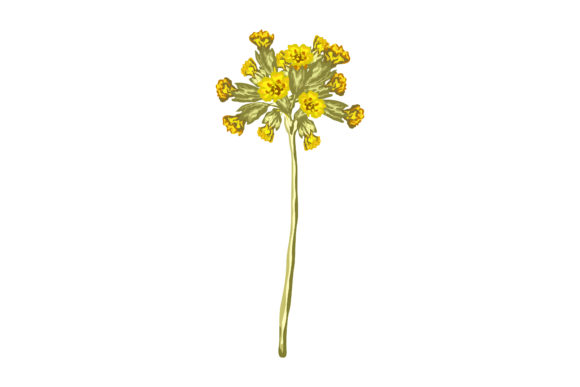
The visual personality of the Edelweiss Flower is defined by its simplicity. Unlike dense, multi-layered florals that can look cluttered when stitched, this design relies on strong shapes and clear negative space. The shape evokes memories of the Bavarian mountains, creating an instant connection to nature and tradition. When placed on a garment or accessory, it doesn't scream for attention; rather, it invites the viewer to lean in closer to appreciate the texture of the thread.
In terms of layout, the design strikes a balance between detail and clarity. It avoids the trap of being too busy, which is crucial for maintaining professional quality. Whether you are creating a subtle accent on a child's outfit or a statement piece on a tote bag, the machine embroidery design holds its own. The transparency of the SVG file suggests versatility, allowing you to layer it over other elements or place it on textured backgrounds without worrying about clipping issues during the mockup phase.
Real-World Application: From Tote Bags to Boutique Merchandise
I recently tested this design concept with a specific project in mind: a custom embroidered tote bag for a local craft fair. My goal was to create a small shop product that felt authentic and high-quality. The Edelweiss Flower proved to be an excellent candidate for this scenario. On a sturdy canvas tote, the design would likely feature a mix of satin stitch for the outlines and fill stitch for the petals, creating a tactile surface that customers love to touch.
This design also shines in the realm of personalized gifts. Imagine a baby item, such as a soft cotton onesie or a nursery pillow cover. The gentle, natural theme of the flower fits perfectly into a baby's room decor without feeling overly childish. Similarly, for holiday gifts, placing this motif on a kitchen towel or a linen apron adds a sophisticated touch that elevates the perceived value of the finished product. If you are an Etsy seller looking to expand your design assets, this pattern works well for seasonal collections, particularly those focused on European themes or mountain retreats.
For apparel decorators, the versatility extends to sweatshirts and caps. While caps present a challenge due to their curved surfaces, the clean geometry of the Edelweiss allows it to wrap around the front panel without losing its integrity. However, I found that on stretchy fabrics like jersey knits, the design requires careful consideration of stabilizer usage to prevent puckering. The key is ensuring the stitch density matches the fabric weight so the embroidery sits flat and looks professional.
Where to Exercise Caution
While the Edelweiss Flower is robust, no single design is perfect for every situation. There are specific scenarios where this design might struggle if not handled with care. Small hoop sizes are a primary concern. If you attempt to stitch this on a very small patch or a tiny decorative accent, the details may become lost or merge together, resulting in a muddy appearance. Always check the dimensions of the design against your intended final size before committing to production.
Textured fabrics and thin materials require special attention. If you are working with a loosely woven fabric or a sheer material, the tension of the threads could cause distortion. In these cases, using a proper stabilizer is non-negotiable. Additionally, dark fabrics demand a high contrast thread choice. If the background is black or navy, ensure the thread colors are bright enough to stand out, or consider using a white underlay to make the colors pop. Layered garments, such as hoodies with heavy fleece linings, can sometimes swallow up smaller details, making the design appear flatter than intended.
Another area to watch is the frequency of washing. Products that need frequent laundering, like work aprons or children's clothing, should be tested for durability. Dense stitch areas can sometimes catch on rough surfaces or fray over time if the thread quality isn't top-tier. Before selling a batch of items, always wash a sample piece to ensure the finished product maintains its shape and color vibrancy.
Practical Designer Notes for Success
To get the most out of this digital embroidery file, I recommend a few practical steps before starting your main project. First, test the design on scrap fabric that mimics the texture and weight of your final material. This simple step can save hours of frustration and wasted supplies. Check the thread color contrast carefully; sometimes what looks good on a monitor appears dull in real life due to lighting conditions.
Review the stitch density settings in your embroidery software. If the design feels too stiff, you might need to adjust the pull compensation or switch from a tight satin stitch to a softer running stitch for certain elements. Confirming the hoop size is essential to avoid cutting off parts of the design. If you are unsure about the exact specifications provided in the file description, verify them with the source, especially regarding compatibility with your specific machine model.
Inspect small details closely. Sometimes, fine lines can break apart if the fabric shifts during stitching. Using a cut-away stabilizer is often the safest bet for maintaining structural integrity, especially on stretchy or delicate fabrics. If you plan to use this for commercial purposes, double-check the licensing terms. Are you allowed to sell the finished items? Can you modify the design? Clarifying these points protects your business and ensures ethical use of the craft business asset.
Final Thoughts on Value and Appeal
The Edelweiss Flower design succeeds because it balances aesthetic appeal with practical usability. It enhances the visual impact of a project without overwhelming the wearer or the viewer. For creative entrepreneurs and makers, this design represents a reliable tool for building brand consistency. Whether you are producing boutique branding materials, printable mockups for your online store, or direct-to-garment items, this pattern adds a layer of professionalism and recognition.
It fosters customer trust by signaling that the maker cares about quality and detail. A well-executed embroidery project, like one featuring this Alpine-inspired flower, speaks volumes about the care put into the creation process. Ultimately, the decision to use this design comes down to whether it fits your specific vision and technical capabilities. With the right preparation and attention to detail, the Edelweiss Flower can transform a simple piece of fabric into a cherished keepsake or a standout commercial product.