Roses and Ivy Embroidery Design Review
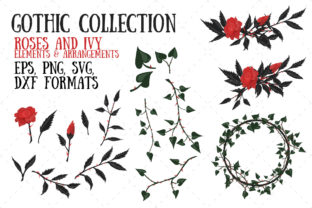
As a designer who spends more time troubleshooting stitch density than admiring color palettes, I approach every new asset with a healthy dose of skepticism. The market is flooded with "premium" bundles that fall apart the moment they hit the hoop. Recently, I evaluated Roses and Ivy, a set described as containing 14 detailed elements—roses, rosebuds, branches, and ivy—alongside four pre-made arrangements. My goal was simple: determine if this bundle actually holds up in a real-world commercial workflow or if it’s just another pretty picture that looks great on screen but fails under the needle.
The First Impression: Mood and Versatility
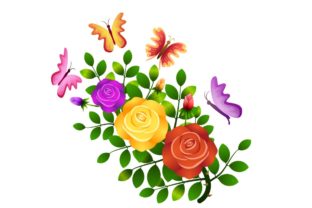
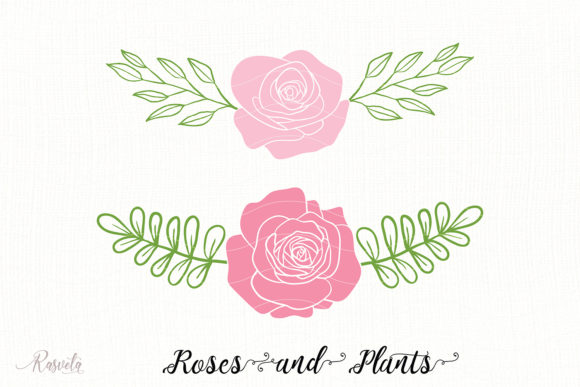
When you first unpack Roses and Ivy, the immediate takeaway is its modular nature. Unlike rigid designs that force a specific composition, this collection feels like a toolkit. The visual personality is romantic but grounded. The roses are not overly stylized; they retain a natural shape that suggests quality without looking artificial. This is crucial for custom apparel and handmade products where authenticity sells.
The inclusion of both individual elements and readymade arrangements is smart. For the busy Etsy seller or small business owner, the ready-made sets save hours of digitizing time. However, the real value lies in the mix-and-match capability. You can take a single rosebud from one file and pair it with an ivy branch from another to create a unique tote bag design that stands out in a crowded marketplace. This flexibility transforms the product from a static graphic into dynamic design assets.
Real-World Application: From Screen to Stitch
I tested the versatility of Roses and Ivy by imagining several common scenarios. Let’s look at a custom embroidered tote bag. Using the larger rose arrangement, centered on canvas, creates a classic boutique look. But what if I wanted something subtler? By isolating the ivy vine and stretching it slightly across the corner, the design becomes elegant rather than overwhelming. This adaptability is key for apparel decorators who need to tailor designs to different garment sizes.
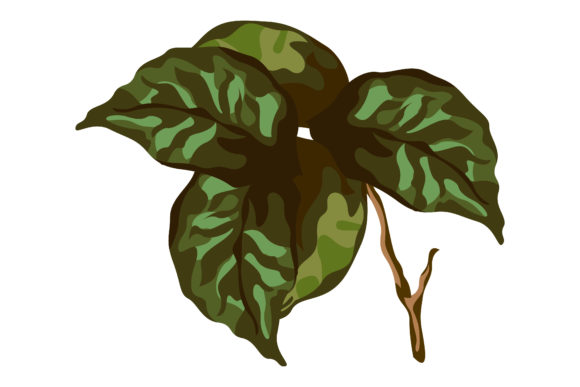
For baby embroidery, such as onesies or burp cloths, the smaller rosebuds and delicate ivy leaves shine. They provide enough detail to feel luxurious but remain soft against sensitive skin. In contrast, using the full arrangement on a heavy sweatshirt requires careful planning. The density of the roses needs to be balanced so the fabric doesn’t pucker. When executed correctly, a sweatshirt embroidery featuring these elements commands a higher price point because it looks professionally finished.
I also considered holiday gifts. A set of kitchen towels embroidered with small clusters of roses and ivy makes for a thoughtful, personalized gift. The timeless theme ensures the item won’t look dated next season, which is a major concern for crafters investing in inventory. Similarly, for wedding gifts, the romantic motif fits perfectly with bridal showers or bachelorette parties, offering a high perceived value for a relatively low production cost.
Where to Exercise Caution
No design is perfect, and Roses and Ivy has specific areas where attention to detail is required. First, consider the hoop size. While the arrangements work well in standard 5x7 or 6x10 hoops, attempting to shrink them down too far can result in lost detail. Tiny petals may merge together if the stitch density is too high or the resolution is too low. Always test your smallest intended use case before committing to a bulk run.
Fabric choice is equally critical. The intricate details of the roses and ivy require a stable surface. On stretchy knits or textured fabrics like raw denim, the design may shift or lose definition. If you are working with dark fabric, ensure your thread colors have sufficient contrast. Light-colored roses on navy blue might get lost unless you use a stabilizer layer or a contrasting backing. Additionally, avoid placing dense stitch areas directly over seams or curved surfaces like caps, unless you are experienced with multi-hoop techniques. Curved surfaces often distort straight lines, making the ivy vines look wavy instead of graceful.
Another area to watch is washing durability. Products that need frequent washing, such as aprons or everyday tote bags, benefit from secure stitching. Check that the satin stitches outlining the petals are tight enough to prevent fraying but not so tight that they cause puckering. For items subjected to heavy wear, reinforcing the edges of the design can extend the life of the finished product.
Visual Appeal and Brand Value
From a branding perspective, Roses and Ivy projects professionalism. Clean lines and balanced compositions signal to customers that care was taken in the creation process. This enhances customer trust and increases the likelihood of repeat purchases. When used in digital product previews or printable mockups, the design translates well to flat images, allowing you to showcase the potential of the embroidery without needing physical samples for every listing.
The aesthetic also supports brand consistency. Because the elements share a cohesive style, you can mix and match them across different product lines—from nursery decor to pillow covers—creating a unified look for your shop. This cohesion is vital for creative entrepreneurs looking to build a recognizable identity. Buyers appreciate when a brand has a distinct voice, and a well-executed floral theme can become a signature element of your collection.
Practical Designer Notes
Before integrating Roses and Ivy into your workflow, follow these practical steps:
- Test on scrap fabric: Always run a test stitch on the actual material you plan to use. This reveals issues with tension, thread pull, or stabilizer compatibility early.
- Check thread colors: Experiment with different thread shades. Metallic threads might add luxury to the roses, while matte cotton could give a rustic feel.
- Review stitch density: Ensure the fill stitch areas are not too dense for your machine or fabric type. Adjusting density can prevent fabric distortion.
- Inspect small details: Zoom in on the digitization if possible, or stitch a small section to check how fine lines render. Thin stems or small leaves may break if not stitched correctly.
- Use proper stabilizer: Choose a stabilizer that matches the fabric weight. Cut-away stabilizers are generally safer for permanent garments, while tear-away may suffice for temporary projects.
- Confirm licensing: Verify whether the embroidery file allows for commercial use. Selling finished items usually requires a commercial license, while creating digital mockups may have different restrictions.
In conclusion, Roses and Ivy is a robust addition to any machine embroidery design library. Its strength lies in its adaptability and classic appeal. Whether you are creating a single personalized gift or scaling up production for a craft business, this bundle offers the flexibility and quality needed to succeed. Just remember to respect the limits of your equipment and fabric, and you will find these roses blooming beautifully in your projects.