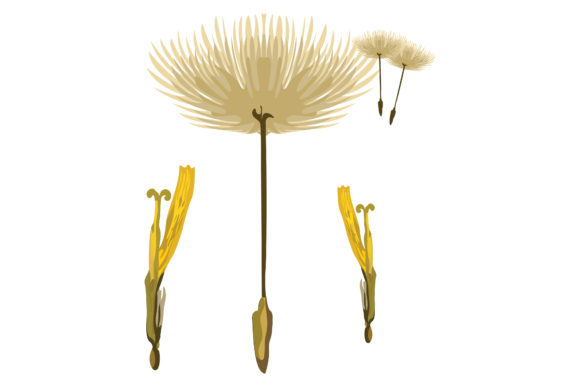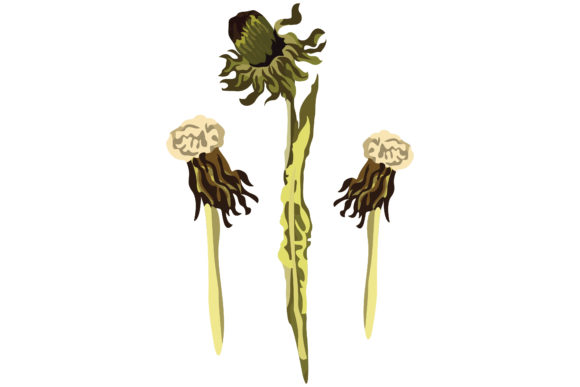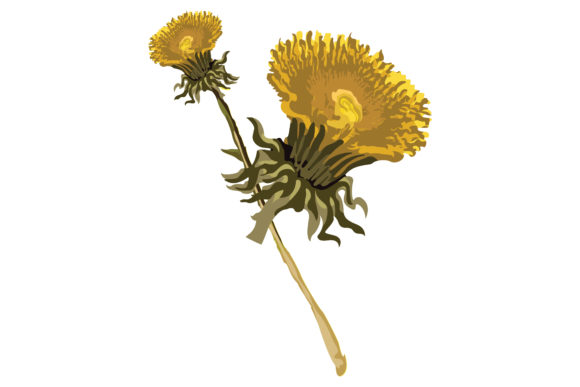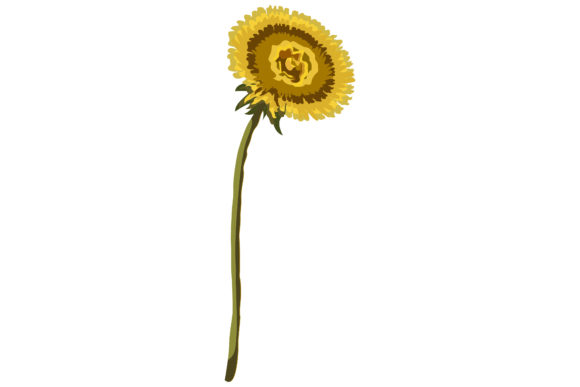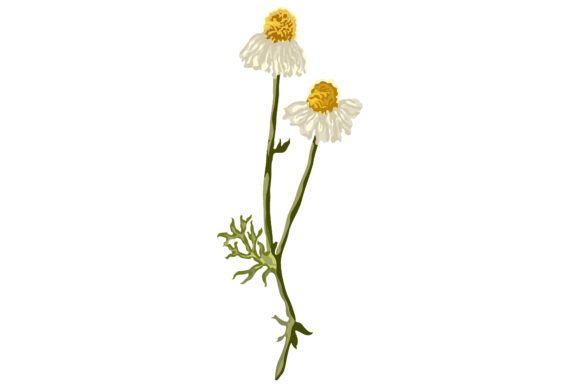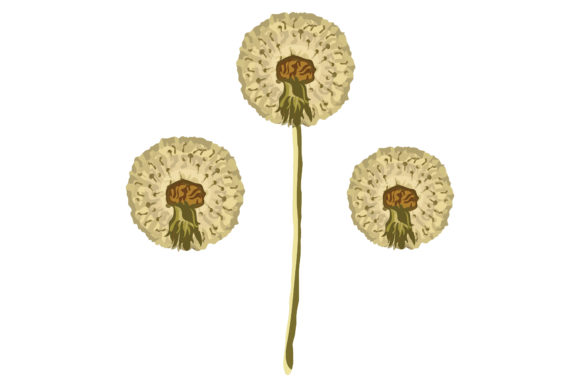
Flowers Stems of Dandelion Plant 43 Review
As a designer who spends more time looking at stitch density charts than actual flowers, I approach every new machine embroidery design with a mix of optimism and skepticism. We have all seen botanical designs that look stunning in the preview window but fall apart under the needle. That is why I decided to put Flowers Stems of Dandelion Plant 43 through its paces. This Illustrations category piece, rooted in the botanical reality of Taraxacum officinale, offers a unique challenge for any embroiderer. It is not just a flower; it is a study in delicate structure versus structural integrity.
I am evaluating this embroidery file not just as a digital asset, but as a potential component in real-world products. Whether you are an Etsy seller preparing your next batch of custom apparel, a craft fair vendor looking for high-margin items, or a hobbyist making a personalized gift, understanding how this design translates from screen to fabric is crucial. Here is my practical breakdown of how Flowers Stems of Dandelion Plant 43 performs in the hoop.
The First Impression: Mood and Visual Personality
When I first loaded the preview for Flowers Stems of Dandelion Plant 43, the immediate takeaway was elegance mixed with rustic charm. Dandelions are often dismissed as weeds, but in their flowering stage, they possess a striking symmetry. This design captures that tension perfectly. The layout feels organic rather than rigid, which suggests it will work beautifully on products where a natural, handmade aesthetic is desired.
The visual personality of this Graphics element leans towards vintage botanical illustrations. It does not scream for attention with bright, chaotic colors; instead, it invites closer inspection. For a small business owner, this is valuable. It allows the product itself—the quality of the fabric, the cut of the garment—to shine while adding a touch of sophisticated detail. It creates a mood of calm, growth, and simplicity. This makes it an excellent candidate for nursery decor, spa branding, or eco-friendly merchandise lines.
Real-World Application: Where Does It Fit?
Let’s move away from the theoretical and talk about actual production. I visualized Flowers Stems of Dandelion Plant 43 on several common handmade product categories to see where it would truly excel.
- Tote Bags: This is perhaps the strongest use case. A dandelion stem design placed centrally on a canvas tote bag offers a perfect balance of size and impact. The linear nature of the stems allows for vertical elongation, which looks great on standard 10x10 or 12x12 inch hoops. It transforms a basic utility item into a statement piece suitable for an apparel decorator or boutique shop.
- Sweatshirt Embroidery: For cozy, autumnal vibes, this design works well on the chest area of crewneck sweatshirts. The botanical theme pairs naturally with earth tones like olive green, mustard yellow, or cream. It adds a layer of professionalism to what might otherwise be a generic garment.
- Baby Embroidery: Dandelions symbolize wishes and childhood nostalgia. Using this embroidery project on baby blankets, burp cloths, or onesies taps into that emotional connection. Parents love subtle, nature-inspired motifs that feel gentle and safe. However, care must be taken with thread selection here to ensure softness against sensitive skin.
- Kitchen Textiles: Tea towels and aprons are another natural fit. The "common" nature of the dandelion aligns with the humble, functional beauty of kitchenware. A single stem embroidered on a linen tea towel can elevate a holiday gift or a wedding present significantly.
In each of these scenarios, the design acts as a versatile anchor. It is not so complex that it overwhelms the fabric, nor so simple that it looks cheap. It sits in that sweet spot that drives customer trust and perceived value.
Technical Considerations and Stitch Analysis
As a reviewer, I cannot ignore the technical side. How does Flowers Stems of Dandelion Plant 43 handle the mechanics of stitching? While exact stitch counts and file formats are not provided in the source data, we can infer performance based on the visual structure of typical botanical digital embroidery files.
Stitch Density: Botanical designs often rely on a mix of satin stitch for outlines and fill stitch or running stitch for leaves and stems. If this design uses dense fill stitches for the flower head, it may require a sturdy stabilizer to prevent puckering. On thin fabrics like voile or lightweight cotton, excessive density can cause the fabric to pucker around the edges, ruining the clean look of the finished product. Always test on scrap fabric first to assess how the stabilizer interacts with your specific material.
Detail Level: The "stems" aspect of the title suggests linear elements. These are generally easier to stitch cleanly than large solid blocks. However, if the design includes tiny individual petals or fine leaf veins, you need to consider your machine’s precision and your thread quality. Thin threads (like 60-weight) can break in small details, while thick threads (30-weight) might obscure them. Choosing the right thread colors is critical; a light gold thread on a white background might disappear, whereas a muted green on a navy background will pop.
Hoop Size Constraints: You must confirm the recommended hoop size before starting. If the design exceeds your machine’s maximum hoop dimensions, you will need to re-digitize it or split the design, which can introduce visible seams. For most standard home machines, a 4x4 or 5x7 hoop should accommodate a single stem arrangement, but larger bouquet versions might require multi-hooping.
Pitfalls to Avoid
Even the best designs have limitations. There are specific situations where Flowers Stems of Dandelion Plant 43 might struggle:
- Small Hoop Sizes: If you attempt to shrink this design down too much, you risk losing the character of the dandelion. Tiny embroidery often looks cluttered and muddy. Respect the minimum size limits of the digitizer.
- Textured Fabrics: While linen and burlap look great with this aesthetic, heavy textures can hide the finer details of the stems. The needle may struggle to penetrate consistently, leading to skipped stitches.
- Stretchy Fabrics: Knits and jerseys require special handling. Without proper tear-away or cut-away stabilizers, the curvature of a cap or sleeve can distort the straight lines of the stems, making the plant look bent or unnatural.
- Dense Stitch Areas: If the flower head is heavily stitched, it can become stiff. For items like hats or bags that need to maintain some flexibility, overly dense areas can make the final product feel rigid and less premium.
Final Verdict for Designers and Sellers
Flowers Stems of Dandelion Plant 43 is a strong contender for designers looking to add botanical flair to their inventory. It bridges the gap between scientific illustration and artistic expression, making it appealing to a broad audience. For the craft business owner, it offers versatility across multiple product lines, from commercial embroidery projects to niche printable mockups for digital sales.
To get the best results, I recommend testing the design thoroughly. Check the stitch density visually by converting the preview to black and white to ensure contrast isn’t lost. Inspect the corners of the design area for any awkward gaps. And most importantly, confirm your licensing terms. Before you start listing this as a small shop product or selling finished goods, verify whether the design assets allow for commercial use. If they do, this design has the potential to become a staple in your collection—a reliable, beautiful choice that customers will recognize and appreciate for its thoughtful execution.